
Published March 2, 2020
Choosing the Right Neighborhood - 7 Things to Think About
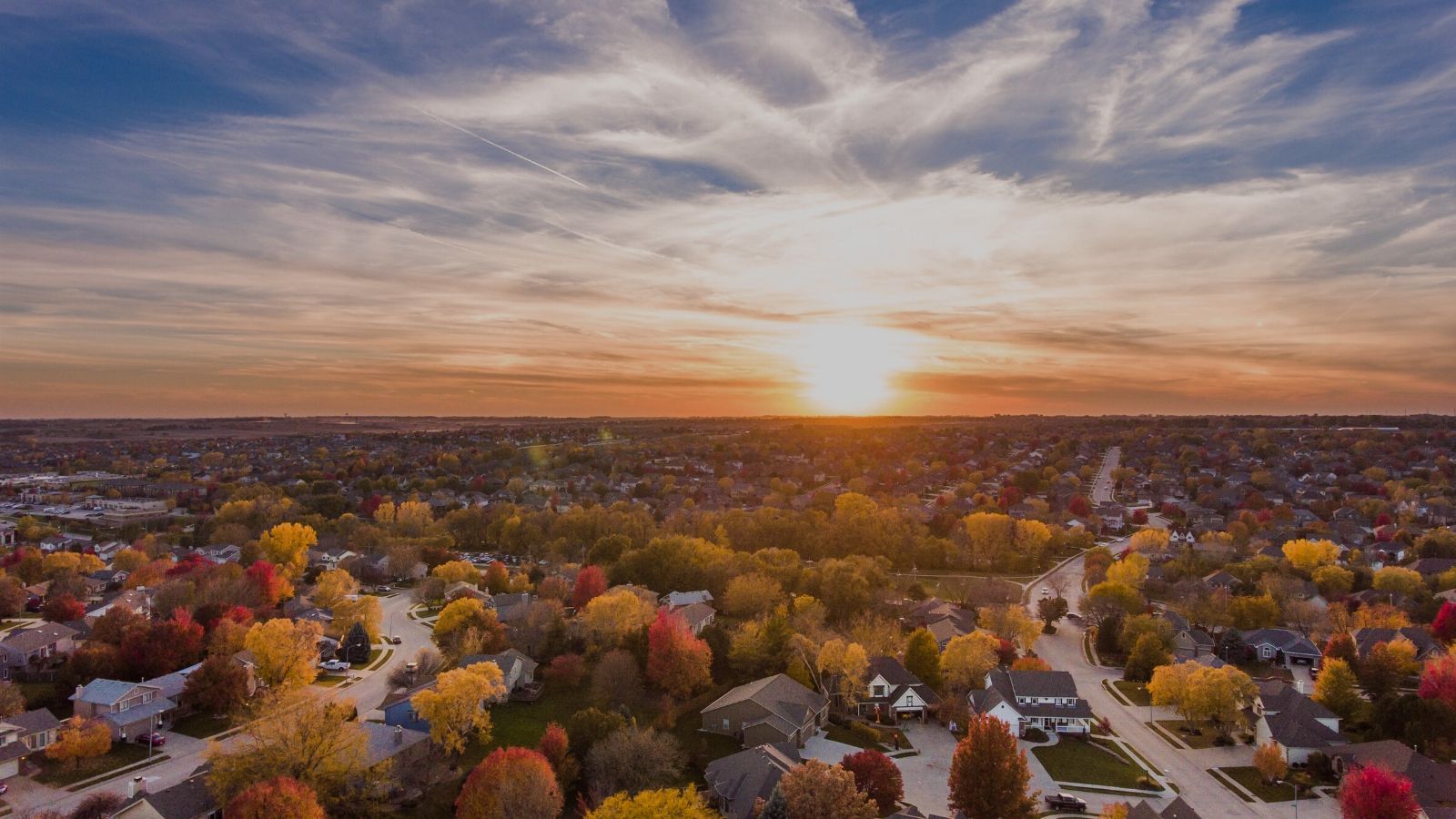
Before you begin your home search, you’ll first want to start a neighborhood search to hone in on the perfect setting for your dream home. After all, it won’t help anyone if you fall in love with a home only to find that it is too far away from your office, or in a school district where you wouldn’t feel comfortable sending your kids.
If you already live in the area where you plan to buy, you might already have a good idea of where you want to plant your roots based on your family, friends, and interests. If not, read on for some things to think about before you begin your home search!
School District
Even if you don’t have kids, you’ll want to consider the school district in the areas your searching for homes in. School district is one of the main factors in how a home retains value over time, so you’ll want to invest in a neighborhood with a decent school district. If you do have children, the school district might be your primary consideration when choosing a neighborhood. Look up stats like class size, graduation rate, and standardized test scores online before you select your ideal community.
Transportation & Convenience
Whether you drive everywhere or rely on public transportation, you’ll want to ensure you choose a home that is convenient to your work, school, and regular recreational activities. Consider whether you’d like your kids to be able to walk to school, if you’d like to be able to walk or bike to area nightlife, or if you’d rather be secluded in the country.
Crime Rates
Search online to find statistics about crime in a particular area. Larger cities may have detailed crime reports, whereas smaller communities might only have general information. You can also contact the local police department to get the inside scoop on high crime areas, as well as how involved a given community may be in community policing and neighborhood watch programs.
Walk and drive around the neighborhood
Take a walk around the neighborhood at different times of day to get a feel for the atmosphere of the community. Take note of any signs of vandalism, such as broken windows or graffitti, as well as the condition of the homes, yards, and public areas. Are there any obviously vacant lots or commercial buildings nearby? If you encounter residents, do they seem friendly? All of these factors will contribute to the overall feel of the neighborhood, so it’s important to investigate before you invest in any given community.
Current housing values and future development
Ask your realtor to compare today’s housing costs to years in the past. Are home values in the neighborhood increasing, decreasing, or roughly the same? Another component to consider are future development plans in the area, which can substantially affect home values. Contact the local city hall and chamber of commerce to learn about any proposed new constructions, office suites, or shopping areas in your future neighborhoods, and then consider how these projects may affect your home value, traffic, and quality of life.
Amenities
Depending on how involved you want to be in your new community, accessible area amenities can be a major factor in your new neighborhood. If you’d like to live in a walkable area, make sure there are enough cafes, shops and restaurants nearby to satisfy your needs. Or, if your children are involved in any clubs or activities, check online to ensure there are nearby options in your area.
Taxes
Ask your realtor about the current tax rates in the area, and whether they have increased substantially in the last five years. Make sure to build this expense into your moving budget.
What items are most important to you in a neighborhood? Let us know on social media!


or another way